A Spray Glaze for All Reasons

I am sure most of you have used some type of ceramic spray for applications of some kind at some point in your dental career. Whether it was the early spray opaque systems or the Enamelite® in a can, most of us have used these products to achieve consistent results with an eye on the ROI.

For the last several years, I have used the older version of Enamelite® with varying degrees of success. Either the spray did not yield enough applications or the results were not always what I was looking for. Owning a milling center meant that I am always under the gun to produce with little room for error. Saving on time and money is something I am always in tune with.

When Keystone acquired the Enamelite® company, they knew there was room for some improvement. After improvements and applying some new techniques, I started to achieve results on a much more consistent basis and my ROI dramatically improved.

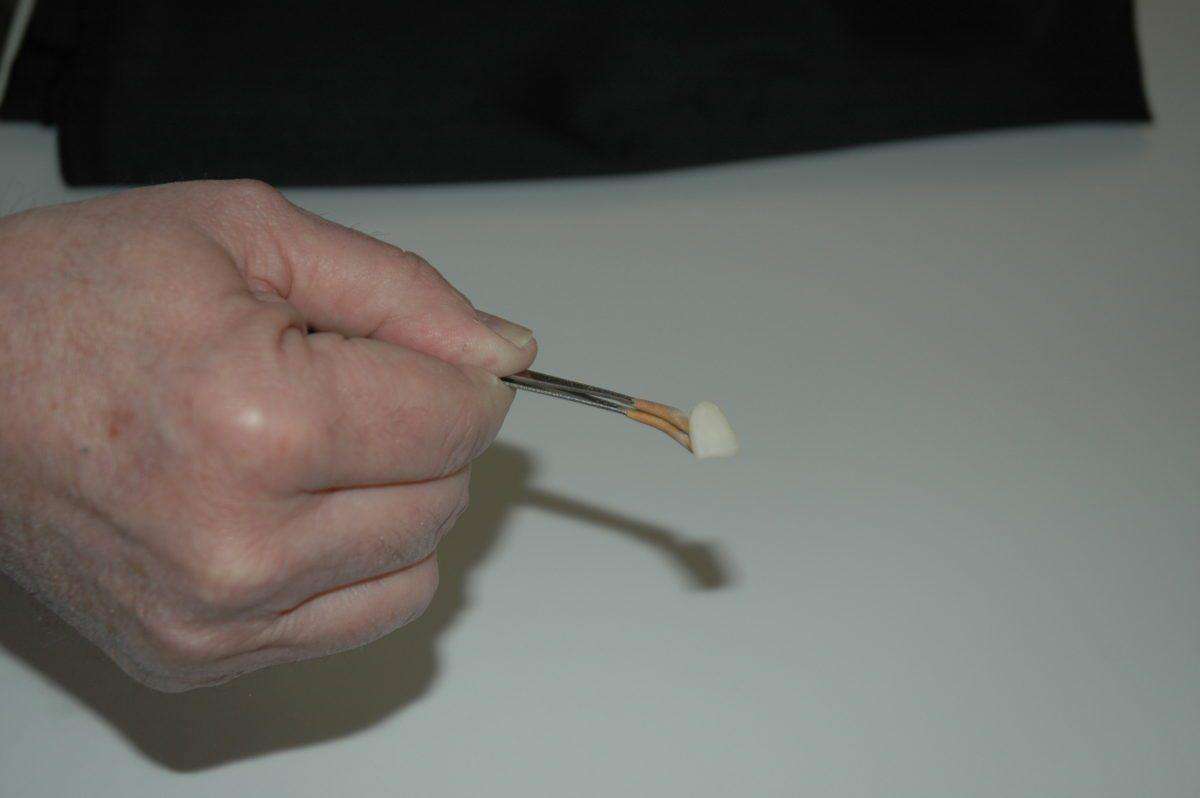
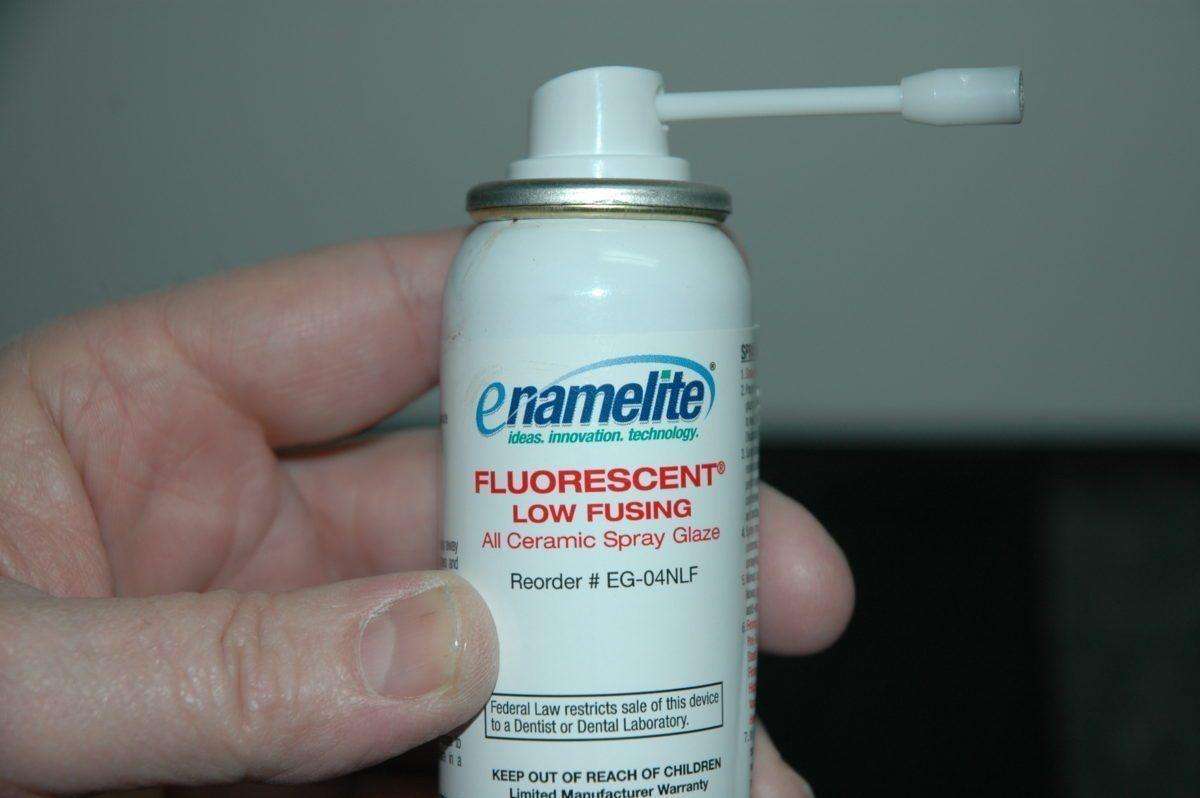
The addition of the Enamelite® Low-Fusing Fluorescent Ceramic Spray Glaze took it to another level. Now we can achieve results with Zirconia Full Contour that we could never achieve before. Producing restorations with a fluorescent quality that allows zirconia to have aesthetic results similar to all ceramic restorations is critical. Showing off a beautiful smile in only certain lighting conditions is a liability when that patient is exposed to conditions such as black light. The Enamelite® Low-Fusing Fluorescent Ceramic Spray Glaze helps to elevate restorations to a higher esthetic result for all lighting conditions.

Here are a few types of applications where Enamelite® would have major benefits:

  • All Ceramic Restorations
  • Multiple units to glaze in one firing
  • Stain and Glaze in one application
  • Zirconia Restorations
  • All on 4 Bridges

Let’s go through the application process...


Finish ceramic restoration per manufactures direction.

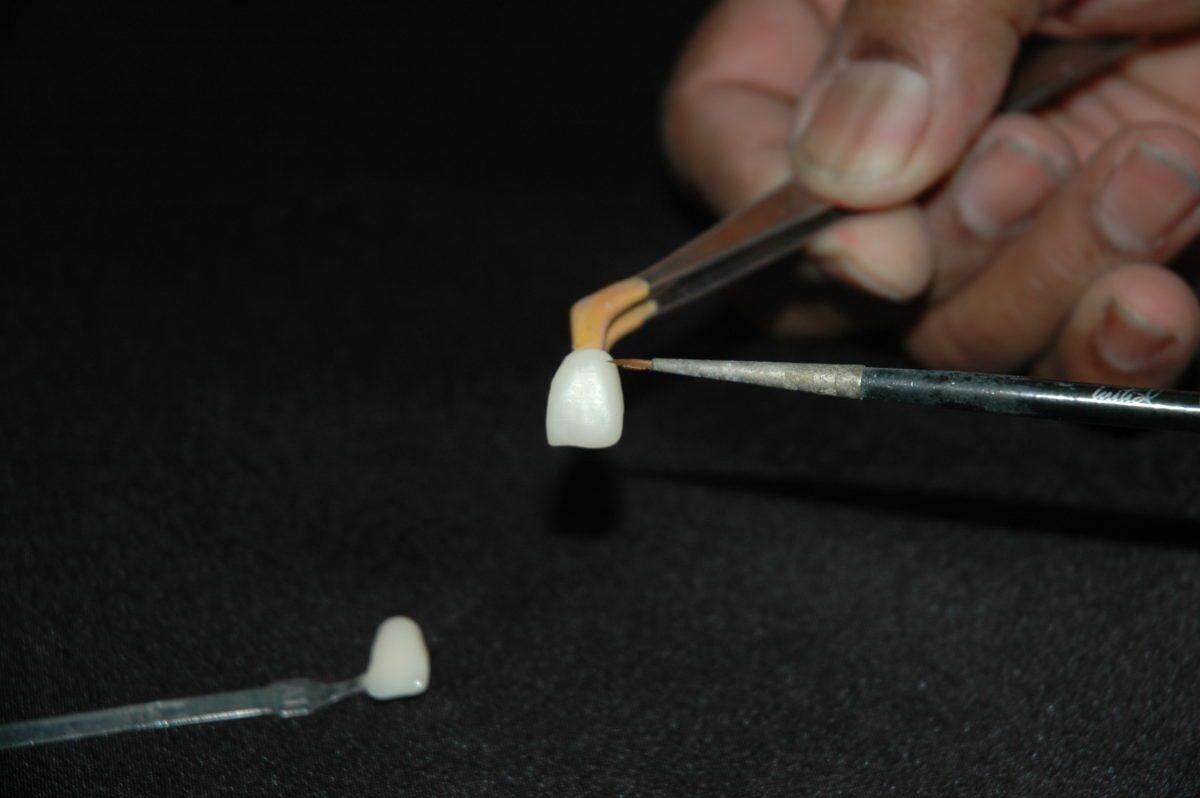
Sand blast and steam clean ceramic restoration.

Apply stain of choice and dry.

Shake the can vigorously for approximately 20 seconds.

Hold glaze can using nozzle extension approximately 4 to 6 inches from the restoration. (It is recommended to use peg putty inside the crown to keep glaze from getting inside restoration).

Use short burst around restoration. Do not prolong spaying – this could lead to some puddle of the glaze.

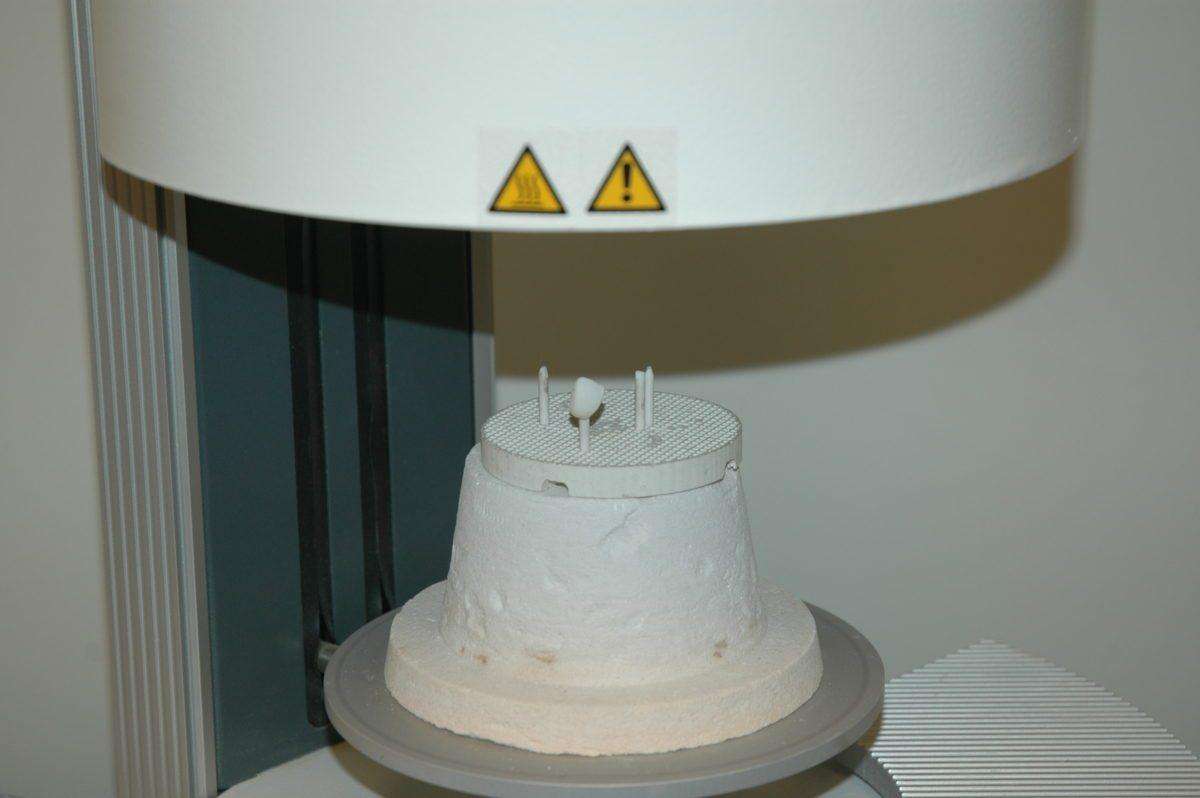
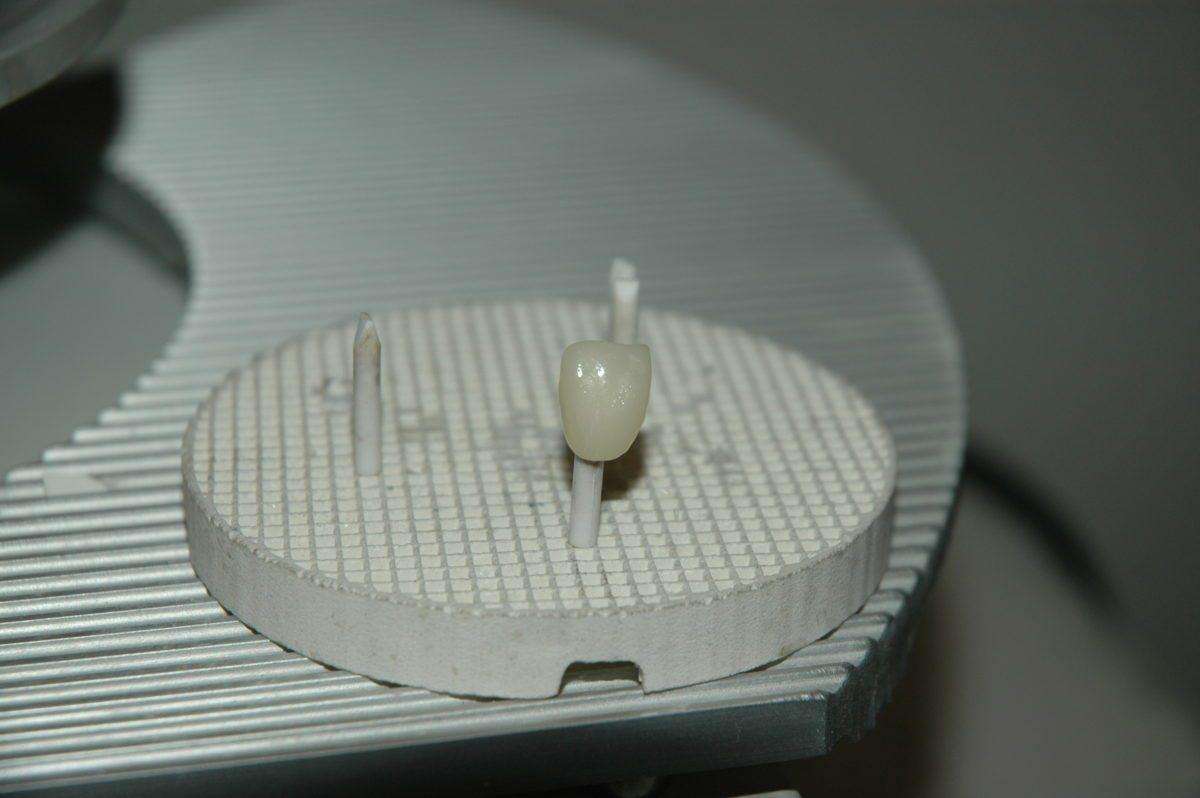
Place restoration on firing tray and follow Keystone’s recommendation for firing. I find 780c is an excellent temperature for glazing. Please calibrate oven to make sure firing temperature is ideal.

Check for any dull areas on large bridge work that you may have missed. When glazing Zirconia restorations a slow cool is always recommended.

An important note to keep in mind on spray techniques: it is not my intention to recommend replacing your glazing techniques, but to enhance what you do in your laboratory to maximize efficiency as well as continuing to provide outstanding results. Enamelite® Low-Fusing Fluorescent Ceramic Spray Glaze is a product I think every laboratory should posses for those types of cases we have discussed. It’s extremely fast, productive, and gives consistent results. The Enamelite® Low-Fusing Fluorescent Ceramic Spray Glaze is an excellent choice for your clients’ office for in office milled single units or glazing any cases that have to be adjusted by the doctor. I hope you find this simple pearl of a product helps you in your everyday life.

Are you ready to use Enamelite in your lab?

Head over to the product page & order today!

About The Author: David Grimes, CDT

David Grimes, CDT

David is an industry veteran of more than 40 years. David began his career in the Armed Forces as a Dental Technician. He has owned and operated over 15 years of his dental career with the last 6 years owning One Source Dental – a Milling Center in Atlanta, GA.

Over 25 years have been dedicated to manufacturing and sales of various companies. David started the GC Lab Division for GC America in 1988 and spent 12 years with GC introducing multiple innovative products. From Microstar to Straumann, he has been instrumental in Pressing Ceramics to CAD/CAM processes and techniques.

David has lectured internationally as well as here in the US on various techniques and processes that have shaped the dental community.

Download this article as a PDF

Exit mobile version